An ingrown toenail is a common foot condition affecting millions of people annually. When the edge or corner of a toenail grows into the surrounding skin, it can cause pain, swelling, redness, and potential infection. While ingrown toenails can be uncomfortable and frustrating, many cases can be effectively managed with appropriate home remedies for ingrown toenail care.
The good news is that numerous home remedies for ingrown toenail can provide relief and promote healing without requiring professional intervention. From warm water soaking to proper nail trimming techniques, from footwear adjustments to natural topical treatments, multiple approaches can help resolve mild-to-moderate ingrown toenail cases. This comprehensive guide explores evidence-based home remedies for ingrown toenail that you can implement immediately to find relief.
Important Disclaimer: This article provides educational information about home remedies for ingrown toenails. It is not a substitute for professional medical advice. If you have diabetes, poor circulation, signs of infection (excessive redness, warmth, pus, or fever), severe pain, or an ingrown toenail that doesn’t improve with home care, consult with a healthcare provider, podiatrist, or foot specialist for appropriate medical evaluation and treatment.
Understanding Ingrown Toenails and Why Home Remedies Work
What is an Ingrown Toenail
An ingrown toenail, medically known as onychocryptosis, occurs when the edge or corner of a toenail grows into the adjacent skin. This condition most commonly affects the big toe, though it can occur on any toe. The nail edge penetrates the skin, causing irritation, inflammation, and discomfort.
Ingrown toenails develop gradually, beginning with minor irritation and progressing to more significant pain and swelling if untreated. The condition ranges from mild (slight discomfort with minor swelling) to severe (significant pain, infection, and tissue damage).
Common Causes of Ingrown Toenails
Multiple factors contribute to ingrown toenail development:
- Improper nail trimming: Trimming nails too short, curved, or at improper angles increases ingrown toenail risk
- Tight footwear: Shoes that crowd toenails or apply pressure to toes force nail edges into skin
- Hereditary factors: Susceptibility to ingrown toenails often runs in families
- Trauma or injury: Toe injuries, repetitive pressure from sports, or stubbing toes can trigger ingrown toenails
- Wide or curved nails: People with naturally curved or particularly wide nails are more prone to this condition
- Fungal infections: Nail thickening from fungal infections increases ingrown toenail risk
- Poor foot hygiene: Inadequate foot cleaning contributes to ingrown toenail development
Understanding underlying causes helps prevent recurrence after home remedies resolve acute symptoms.
When Home Remedies for Ingrown Toenail are Appropriate
Home remedies work best for mild-to-moderate ingrown toenails without signs of infection. Early intervention with home remedies can prevent condition progression and avoid need for professional treatment. However, severe cases, infected ingrown toenails, or cases in individuals with diabetes or circulation problems require professional medical care.
The advantage of home remedies is accessibility, affordability, and ability to provide relief quickly using readily available materials. Many people experience significant improvement within days of beginning appropriate home care.
Warm Water Soaking: The Foundation of Home Remedies for Ingrown Toenail
Soaking Technique and Benefits
Soaking the affected foot in warm water is perhaps the most fundamental and effective home remedies for ingrown toenail. Warm water soaking provides multiple benefits:
- Reduces inflammation: Warmth decreases swelling and discomfort
- Softens skin and nail: Softened tissue makes subsequent care easier
- Improves circulation: Increased blood flow promotes healing
- Provides pain relief: Warmth soothes discomfort naturally
- Facilitates cleaning: Soaking helps remove debris and bacteria
Proper Soaking Protocol
Fill a basin with warm (not hot) water—comfortable enough to soak your foot but not so hot it causes burning sensation. Soak the affected foot for 15-20 minutes at a time. Repeat soaking 3-4 times daily, particularly after activities that may have caused pressure on the toe.
Water temperature is important—warm water provides therapeutic benefit, while excessively hot water can burn sensitive tissue and worsen inflammation. Test water temperature with your hand before submerging your foot.
Adding Therapeutic Ingredients to Soaking Water
Plain warm water provides benefits, but adding therapeutic substances enhances soak effectiveness:
Epsom salt: Add 1-2 cups of Epsom salt to warm water. Epsom salt reduces inflammation, kills bacteria, and draws out infection if present. The magnesium in Epsom salt promotes healing.
Sea salt: Marine salt provides similar benefits to Epsom salt. Add 1 tablespoon of sea salt to warm water and soak as above.
Vinegar: Apple cider vinegar or white vinegar added to warm water (1 part vinegar to 4 parts water) provides antimicrobial benefits and may reduce infection risk.
Essential oils: Certain essential oils possess antimicrobial and anti-inflammatory properties. Tea tree oil (2-3 drops in warm water) or lavender oil (3-4 drops) can be added to soaking water.
Calendula tea: Steep calendula flowers in hot water, cool to comfortable temperature, and use as soaking solution. Calendula promotes healing and reduces inflammation.
Chamomile tea: Brew strong chamomile tea, cool slightly, and use for soaking. Chamomile reduces inflammation and promotes skin healing.
Proper Nail Care: Essential Home Remedies for Ingrown Toenail Prevention and Treatment
Correct Nail Trimming Techniques
Proper nail trimming is crucial for both treating current ingrown toenails and preventing future occurrences. Improper trimming frequently causes ingrown toenails, making correct technique essential:
Trim straight across: Cut nails in a straight line across the top rather than curved or angled. Allow nail edges to extend slightly beyond toe skin rather than being trimmed flush with skin.
Avoid trimming too short: Leave at least a thin margin of nail extending beyond skin. Trimming too short increases ingrown toenail risk significantly.
Use proper tools: Use sharp, clean nail clippers. Dull clippers can crush nails and cause nail damage. Sterilize clippers with alcohol before use if treating an infected ingrown toenail.
Trim when nails are soft: Trim nails after soaking when they’re softened, making cutting easier and cleaner.
Trim at slight angles: While the primary cut should be straight, slight angled cuts at the outer corners can help prevent sharp edges from digging into skin.
Lifting the Nail Edge
One of the most effective home remedies for ingrown toenail involves gently lifting the affected nail edge away from skin to relieve pressure and allow healing:
After soaking, when skin and nail are softened, gently insert a thin, clean object (such as a clean toothpick, floss, or specialized nail lifter) under the affected nail edge. Carefully lift the nail edge slightly away from the skin. Place a small piece of cotton, gauze, or foam under the lifted nail edge to maintain separation.
Replace the cotton or gauze daily after soaking. This approach gradually separates the nail from skin, relieving pain and allowing healing. Avoid forcing the nail edge—gentle, gradual lifting is more effective than aggressive manipulation.
Avoiding Further Nail Damage
While treating ingrown toenails, protect nails from further trauma:
- Wear open-toed shoes or sandals to eliminate pressure on affected toes
- Avoid activities causing repetitive toe pressure or trauma
- Don’t cut or manipulate the ingrown nail edge aggressively
- Resist urges to pick at or dig out the ingrown nail
Topical Treatment: Natural Home Remedies for Ingrown Toenail
Antibiotic Ointments
Over-the-counter antibiotic ointments help prevent infection and promote healing. Apply thin layers of antibiotic ointment to the affected area 2-3 times daily, particularly after soaking. Bacitracin, neomycin, or triple antibiotic ointments work well.
These ointments create protective barriers while delivering antimicrobial benefits. Apply after soaking and drying the area thoroughly.
Tea Tree Oil Treatment
Tea tree oil is a powerful natural antimicrobial and anti-inflammatory agent. Mix 2-3 drops of pure tea tree oil with a carrier oil like coconut oil or olive oil. Apply directly to the ingrown nail area 2-3 times daily.
Tea tree oil has demonstrated effectiveness against bacteria and fungi, making it particularly useful if infection is suspected. However, never apply undiluted tea tree oil directly to skin as it can cause irritation.
Honey Application
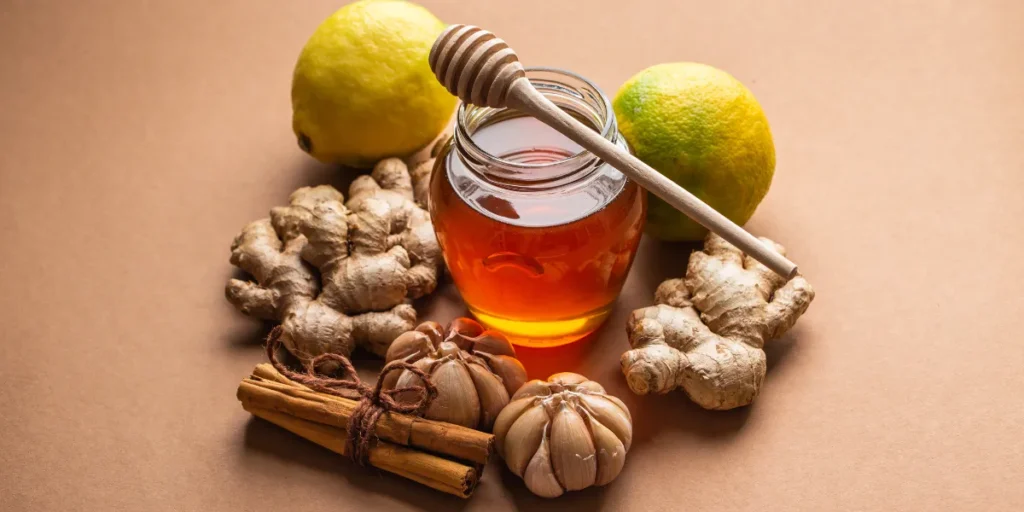
Raw honey possesses antimicrobial and anti-inflammatory properties. Apply raw honey directly to the affected area, cover with a clean bandage, and leave in place for several hours or overnight. Change dressing and reapply honey daily.
Manuka honey, with particularly high antimicrobial activity, is especially effective though more expensive than regular raw honey.
Turmeric Paste
Turmeric contains curcumin, a potent anti-inflammatory compound. Mix turmeric powder with water or coconut oil to create a paste. Apply the paste to the affected area, cover with bandage, and leave in place for several hours. Change dressing and reapply 1-2 times daily.
The golden spice has centuries of traditional use for reducing inflammation and promoting healing.
Epsom Salt Paste
Create a paste by mixing Epsom salt with a small amount of water. Apply the paste directly to the affected area and cover with a clean bandage. The paste draws out inflammation and provides antimicrobial benefits.
Footwear Modifications: Crucial Home Remedies for Ingrown Toenail Relief
Choosing Appropriate Shoes
Footwear selection is critical for ingrown toenail relief. Tight shoes directly contribute to ingrown toenail pain and progression. Implement these footwear changes:
- Wear wider shoes: Select shoes with adequate toe box space to eliminate pressure on toenails
- Choose open-toed styles: Sandals, slides, or open-toe shoes eliminate direct pressure
- Avoid high heels: Heels push toes forward into constrained toe boxes, increasing pressure
- Select soft materials: Soft, flexible materials allow toe movement and reduce pressure
- Ensure proper fit: Shoes should be snug but not tight; your toes should have room to move
Temporary Protective Measures
While allowing ingrown toenails to heal, protect affected toes from pressure:
- Toe spacers: Small foam or gel spacers placed between toes can separate affected toe from adjacent toes
- Bandaging: Wrap affected toe with medical tape or athletic tape to provide cushioning and support
- Protective padding: Place foam or gel padding around the affected nail edge to reduce pressure and friction
These temporary measures provide comfort while home remedies work.
Pain Management Home Remedies for Ingrown Toenail
Over-the-Counter Pain Relief
Non-prescription pain relievers can manage ingrown toenail discomfort while treatment progresses:
- Ibuprofen (Advil, Motrin): Anti-inflammatory pain reliever reduces both pain and inflammation
- Naproxen (Aleve): Long-acting anti-inflammatory provides extended relief
- Acetaminophen (Tylenol): Pain reliever without anti-inflammatory effects
Take pain relievers as directed on packaging, typically for 7-10 days as needed.
Ice Application
Apply ice wrapped in a thin cloth to the affected toe for 10-15 minutes at a time, several times daily. Ice reduces inflammation and provides temporary pain relief. Never apply ice directly to skin—wrap it in cloth first to prevent ice burn.
Elevation
Keep the affected foot elevated above heart level when resting. Elevation reduces swelling and associated pain by improving fluid drainage.
Prevention Strategies: Long-Term Home Remedies for Ingrown Toenail
Proper Foot Hygiene
Maintain excellent foot hygiene to prevent ingrown toenail development and infection:
- Wash feet daily: Clean feet thoroughly with soap and water
- Dry completely: Dry feet completely after washing, including between toes
- Inspect regularly: Look for early signs of ingrown toenails and address immediately
- Keep nails clean: Remove debris from under nails regularly
Moisture Management
Excess moisture creates environment for bacterial and fungal growth. Keep feet dry:
- Change socks if damp: Moisture-wicking socks help keep feet dry
- Dry between toes: Moisture often accumulates between toes
- Use antifungal powder if needed: If you’re prone to fungal infections, apply antifungal powder to feet
Regular Nail Maintenance
Maintain healthy nails through regular, proper care:
- Trim nails every 2-3 weeks: Regular trimming prevents overgrowth
- Always trim straight across: Maintain proper trimming technique consistently
- Don’t trim too short: Always leave nail extending slightly beyond skin
- Address nail issues promptly: Seek treatment for fungal infections or thick nails
Activity Modification
Certain activities increase ingrown toenail risk or worsen existing conditions:
- Avoid tight athletic shoes: Choose athletic footwear with adequate toe room
- Limit repetitive toe pressure: Activities like running or dancing increase risk
- Protect toes during sports: Wear appropriate footwear during athletic activities
- Avoid stubbing toes: Be careful to prevent toe injuries
Dietary and Nutritional Support for Home Remedies for Ingrown Toenail
Nutrients Supporting Wound Healing
Proper nutrition supports body’s healing processes:
- Vitamin C: Promotes collagen formation and immune function; found in citrus, berries, and leafy greens
- Zinc: Essential for wound healing; found in meat, nuts, and seeds
- Protein: Supports tissue repair; found in meat, fish, legumes, and dairy
- Iron: Important for oxygen transport and tissue repair; found in red meat, spinach, and legumes
- B vitamins: Support energy metabolism and tissue repair; found in whole grains, meat, and vegetables
Eating balanced diet with adequate protein, fruits, and vegetables supports healing.
Hydration
Adequate hydration supports overall health and healing processes. Drink sufficient water throughout the day—at least 8-10 glasses daily, more if you exercise or live in hot climates.
Foods with Anti-Inflammatory Properties
Foods with natural anti-inflammatory properties may support healing:
- Ginger: Add fresh ginger to tea or meals for anti-inflammatory benefits
- Turmeric: Include turmeric in curries or rice dishes
- Omega-3 fatty acids: Fish, flaxseeds, and walnuts provide anti-inflammatory fats
- Garlic: Contains compounds with antimicrobial properties
What to Avoid: Important Precautions for Home Remedies for Ingrown Toenail
Behaviors Worsening Ingrown Toenails
Avoid these practices that worsen ingrown toenails:
- Picking or digging: Aggressive manipulation increases infection risk and tissue damage
- Applying pressure: Avoid pressing on or squeezing the affected nail
- Over-treating: Excessive soaking or overly aggressive nail lifting can damage tissue
- Ignoring signs of infection: Increasing pain, severe swelling, or pus require professional evaluation
- Self-surgery: Never attempt to surgically remove ingrown nails at home
Substances to Avoid
Certain substances can worsen ingrown toenails or increase infection risk:
- Harsh chemicals: Bleach or other caustic substances can damage skin and increase infection risk
- Non-sterile tools: Using non-sterilized instruments to manipulate the nail increases infection risk
- Undiluted essential oils: Applying undiluted essential oils directly to skin can cause irritation
- Excessive salt: While Epsom salt soaks help, excessive salt concentration can irritate skin
Signs Indicating Need for Professional Medical Care
Despite diligent home remedies for ingrown toenail, some cases require professional evaluation:
Signs of Infection
If you notice these signs, consult a healthcare provider:
- Increased redness: Spreading redness beyond the immediate nail area
- Warmth: The area feels warm to touch, suggesting inflammation or infection
- Pus or discharge: Yellow or greenish discharge indicates bacterial infection
- Severe swelling: Marked swelling that doesn’t improve with home care
- Fever: Body temperature elevation accompanying toe symptoms
- Red streaking: Lines of redness extending from the toe suggest serious infection
Persistent or Worsening Symptoms
If home remedies don’t produce improvement within 7-10 days, or if symptoms worsen despite treatment, professional evaluation is warranted.
Special Populations Requiring Professional Care
Certain individuals should seek professional care for ingrown toenails rather than relying solely on home remedies:
- Diabetes: Individuals with diabetes should not self-treat ingrown toenails due to increased infection risk and potential for serious complications
- Circulation problems: Poor circulation increases infection risk and reduces healing ability
- Immune compromise: Compromised immune systems increase infection severity
- Medications: Certain medications increase infection risk or impair healing
- Previous ingrown toenail surgery: Prior surgical treatment may require professional re-evaluation
Natural Home Remedies for Ingrown Toenail: Comprehensive Treatment Plans
Mild Case Treatment Plan (3-7 days)
For mild ingrown toenails with minimal pain and no infection signs:
- Daily warm water soaks: 3-4 times daily for 15-20 minutes with Epsom salt
- Topical treatment: Apply antibiotic ointment or tea tree oil 2-3 times daily
- Nail care: Gently lift nail edge after soaking; replace protective cotton daily
- Footwear: Wear open-toed or wide shoes to eliminate pressure
- Pain management: Use ibuprofen as needed for discomfort
Moderate Case Treatment Plan (7-14 days)
For moderate ingrown toenails with significant pain but no infection:
- Intensive soaking: 4 times daily for 20 minutes with Epsom salt and possible essential oil
- Multiple topical treatments: Alternate between antibiotic ointment, honey, and tea tree oil applications
- Nail lifting: More aggressive nail edge lifting after softening through soaking
- Footwear modification: Strictly avoid any shoe pressure on affected toe
- Pain management: Regular ibuprofen or naproxen dosing to control inflammation
- Elevation: Keep foot elevated when sitting or resting
Professional Treatment Options for Resistant Cases
When Home Remedies Aren’t Sufficient
While many ingrown toenails respond well to home remedies, some cases require professional intervention:
- Podiatrist evaluation: Podiatrists specialize in foot problems and can provide professional care
- Partial nail removal: Procedure where affected portion of nail is surgically removed
- Full nail removal: Rarely needed, involves removing entire nail to allow regrowth
- Matricectomy: Procedure that removes or destroys portion of nail root to prevent regrowth
- Antibiotics: Prescription antibiotics for significant infections
- Local anesthesia: Professional treatment allows anesthetized procedures for pain-free treatment
The Timeline: When to Expect Improvement with Home Remedies for Ingrown Toenail
Expected Healing Timeline
With consistent home remedies for ingrown toenail:
- Days 1-3: Pain may decrease slightly; inflammation persists
- Days 3-7: Noticeable pain improvement; swelling decreases
- Days 7-14: Significant improvement in most mild cases; complete healing in many cases
- Weeks 2-4: Continued gradual improvement; full resolution in most cases
Individual healing timelines vary based on ingrown toenail severity, treatment consistency, and individual healing capacity.
Maintaining Results
After home remedies resolve acute ingrown toenail:
- Continue preventive care: Maintain proper nail trimming and footwear practices
- Monitor the toe: Watch for signs of recurrence
- Maintain foot hygiene: Continue excellent foot care practices
- Regular nail maintenance: Trim nails properly every 2-3 weeks
Conclusion: Taking Control of Ingrown Toenail Care
Home remedies for ingrown toenail offer accessible, effective ways to manage this common foot condition. From warm water soaking with Epsom salt to proper nail care techniques, from footwear modifications to natural topical treatments, multiple approaches can provide relief and promote healing.
The key to success with home remedies for ingrown toenail is early intervention and consistent application of treatment protocols. Beginning treatment as soon as symptoms appear prevents condition progression and often resolves the problem before professional intervention becomes necessary.
However, recognize when home remedies are insufficient. Infections, severe pain, diabetes, circulation problems, or other complicating factors warrant professional medical evaluation. Your healthcare provider or podiatrist can assess your specific situation and recommend appropriate treatment.
By understanding proper nail care techniques, implementing appropriate home remedies, modifying footwear, and maintaining good foot hygiene, you can prevent future ingrown toenail development and manage current cases effectively. Taking a proactive approach to foot health protects your comfort and maintains your ability to walk and exercise without discomfort.
Start with appropriate home remedies for ingrown toenail today, and give your feet the care they deserve.